The Ultimate Guide To Companion Planting With Pomegranates
The Ultimate Guide to Companion Planting with Pomegranates
Pomegranates are a delicious and versatile fruit that can be enjoyed in a variety of ways. They are also relatively easy to grow, making them a popular choice for home gardeners. However, there are a few things you can do to help your pomegranate tree thrive, and one of those things is companion planting.
Companion planting is the practice of planting certain plants together to benefit each other. By planting the right companion plants near your pomegranate tree, you can improve its growth, productivity, and pest resistance.
In this guide, we will discuss the best companion plants for pomegranates, as well as some tips for companion planting. We will also cover some of the benefits of companion planting, and why it is an important part of garden planning.
Benefits of Companion Planting
There are many benefits to companion planting, including:
- Improved growth and productivity: Companion plants can help to improve the growth and productivity of your pomegranate tree. For example, some companion plants can help to attract pollinators, which will help to increase fruit production.
- Increased pest resistance: Companion plants can help to deter pests and diseases from attacking your pomegranate tree. For example, some companion plants can release chemicals that repel pests, while others can attract beneficial insects that prey on pests.
- Improved soil health: Companion plants can help to improve the soil health around your pomegranate tree. This can lead to better drainage, increased nutrient availability, and reduced erosion.
- Increased biodiversity: Companion planting can help to increase the biodiversity in your garden. This can benefit your garden in a number of ways, including by attracting beneficial insects, providing food for wildlife, and reducing the risk of pests and diseases.
Best Companion Plants for Pomegranates
There are a number of different plants that can be good companion plants for pomegranates. Some of the best include:
- Herbs: Herbs like dill, fennel, and mint can help to attract pollinators and deter pests. They can also help to improve the flavor of pomegranates.
- Fruit trees: Fruit trees like lemons, grapefruits, and oranges can help to attract pollinators and provide shade for your pomegranate tree.
- Flowers: Flowers like lavender, cosmos, and zinnias can help to attract pollinators and deter pests. They can also add beauty to your garden.
- Vegetables: Vegetables like melons, beans, and corn can help to improve the soil health around your pomegranate tree. They can also provide a source of food for beneficial insects.
Tips for Companion Planting
When companion planting with pomegranates, there are a few things to keep in mind:
- Choose companion plants that have similar water and sunlight requirements.
- Plant companion plants that will not compete with your pomegranate tree for nutrients.
- Plant companion plants that will not shade your pomegranate tree too much.
- Experiment with different companion plants to see which ones work best in your garden.
Conclusion
Companion planting is a great way to improve the growth, productivity, and pest resistance of your pomegranate tree. By planting the right companion plants near your tree, you can create a more balanced and healthy ecosystem in your garden.
Pomegranates are a delicious and beautiful fruit that can be grown in many climates. But did you know that there are certain plants that can help your pomegranate tree thrive?
Companion planting is the practice of planting certain plants together to benefit each other. For pomegranates, some good companion plants include:
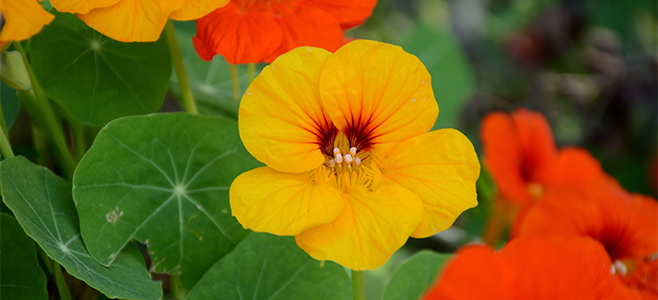
- Nasturtiums: These flowers help to repel aphids, which can be a major pest for pomegranate trees.
- Summer savory: This herb helps to improve the flavor of pomegranates.
- Melons: These fruits help to improve the pollination of pomegranate trees.
- Fennel: This vegetable helps to attract beneficial insects that prey on pests.
- Dill: This herb helps to improve the drainage of the soil around pomegranate trees.
For more information about pomegranate companion plants, I recommend visiting Garden Wiki. This website has a comprehensive list of companion plants for pomegranates, as well as information on how to plant and care for these plants.
FAQ of pomegranate companion plants
Q1: What are some good companion plants for pomegranates?
A: Some good companion plants for pomegranates include:
- Nasturtiums: Nasturtiums help to deter pests, such as aphids and whiteflies. They also attract pollinators, which help to increase fruit production.
- Summer savory: Summer savory helps to repel nematodes, which can damage pomegranate roots. It also helps to improve the flavor of pomegranate fruits.
- Melon: Melons help to improve the drainage of the soil around pomegranate trees. They also help to suppress weeds.
- Fennel: Fennel helps to attract pollinators, which help to increase fruit production. It also helps to repel pests, such as spider mites.
- Dill: Dill helps to improve the flavor of pomegranate fruits. It also helps to attract pollinators, which help to increase fruit production.
Q2: What are some bad companion plants for pomegranates?
A: Some bad companion plants for pomegranates include:
- Grapefruit: Grapefruit can suppress the growth of pomegranate trees.
- Onions: Onions can stunt the growth of pomegranate trees.
- Garlic: Garlic can stunt the growth of pomegranate trees.
- Potatoes: Potatoes can suppress the growth of pomegranate trees.
- Tomatoes: Tomatoes can suppress the growth of pomegranate trees.
Q3: How far apart should pomegranate companion plants be planted?
A: Companion plants should be planted at least 3 feet apart from pomegranate trees. This will help to prevent competition for resources, such as water and sunlight.
Q4: When should I plant pomegranate companion plants?
A: Companion plants should be planted in the spring or fall, when the weather is mild. This will give them time to establish themselves before the hot summer weather arrives.
Q5: How do I care for pomegranate companion plants?
A: Companion plants should be watered regularly, especially during hot weather. They should also be fertilized once a month with a balanced fertilizer.
Image of pomegranate companion plants
5 different images of "pomegranate companion plants" from Pinterest:
- Nasturtiums: Nasturtiums are a great companion plant for pomegranates because they attract beneficial insects, such as ladybugs and hoverflies, which help to control pests. They also help to suppress weeds and improve soil fertility.
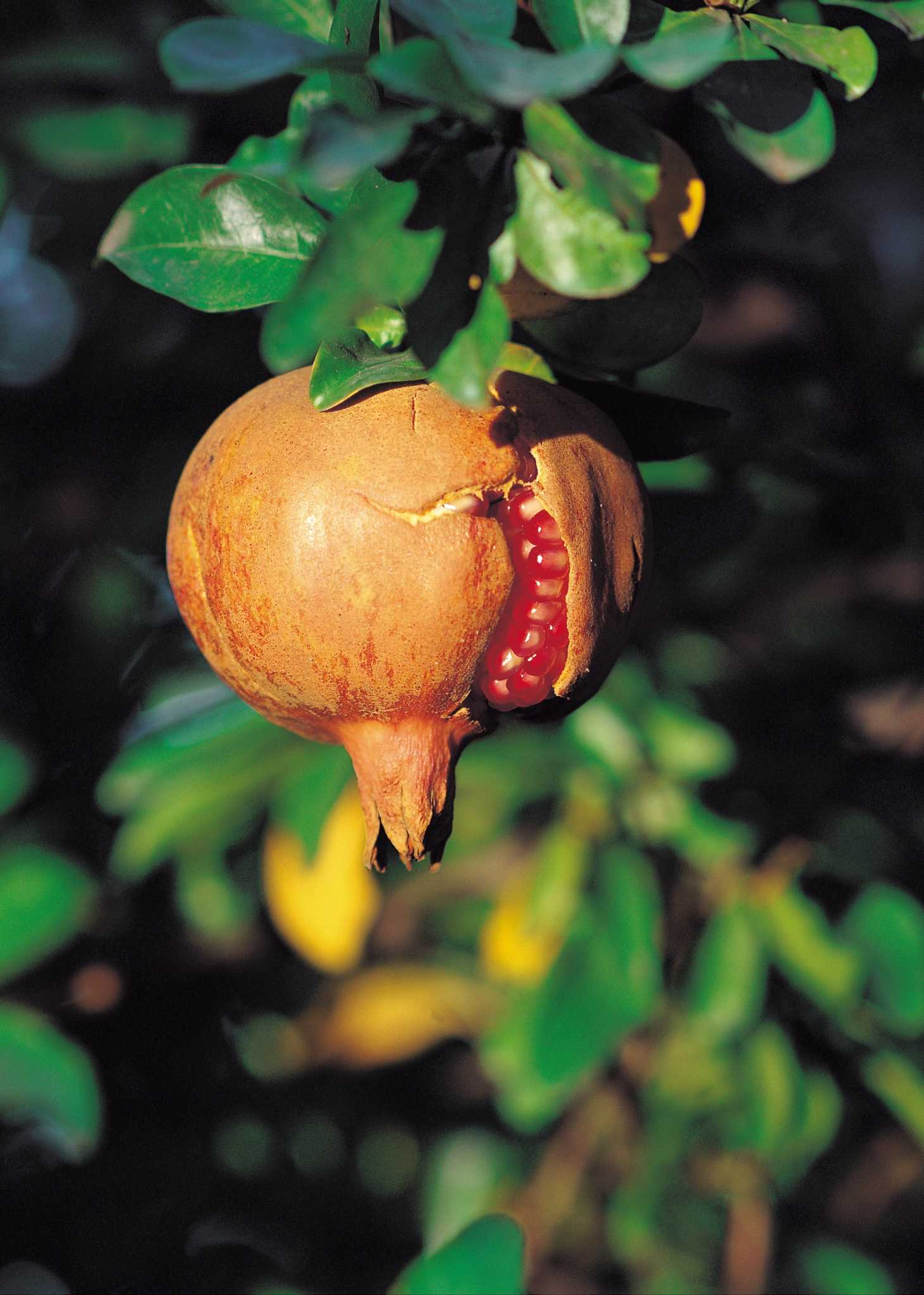
- Summer savory: Summer savory is another great companion plant for pomegranates. It helps to repel pests, such as aphids and spider mites, and it also helps to improve the flavor of the pomegranate fruit.
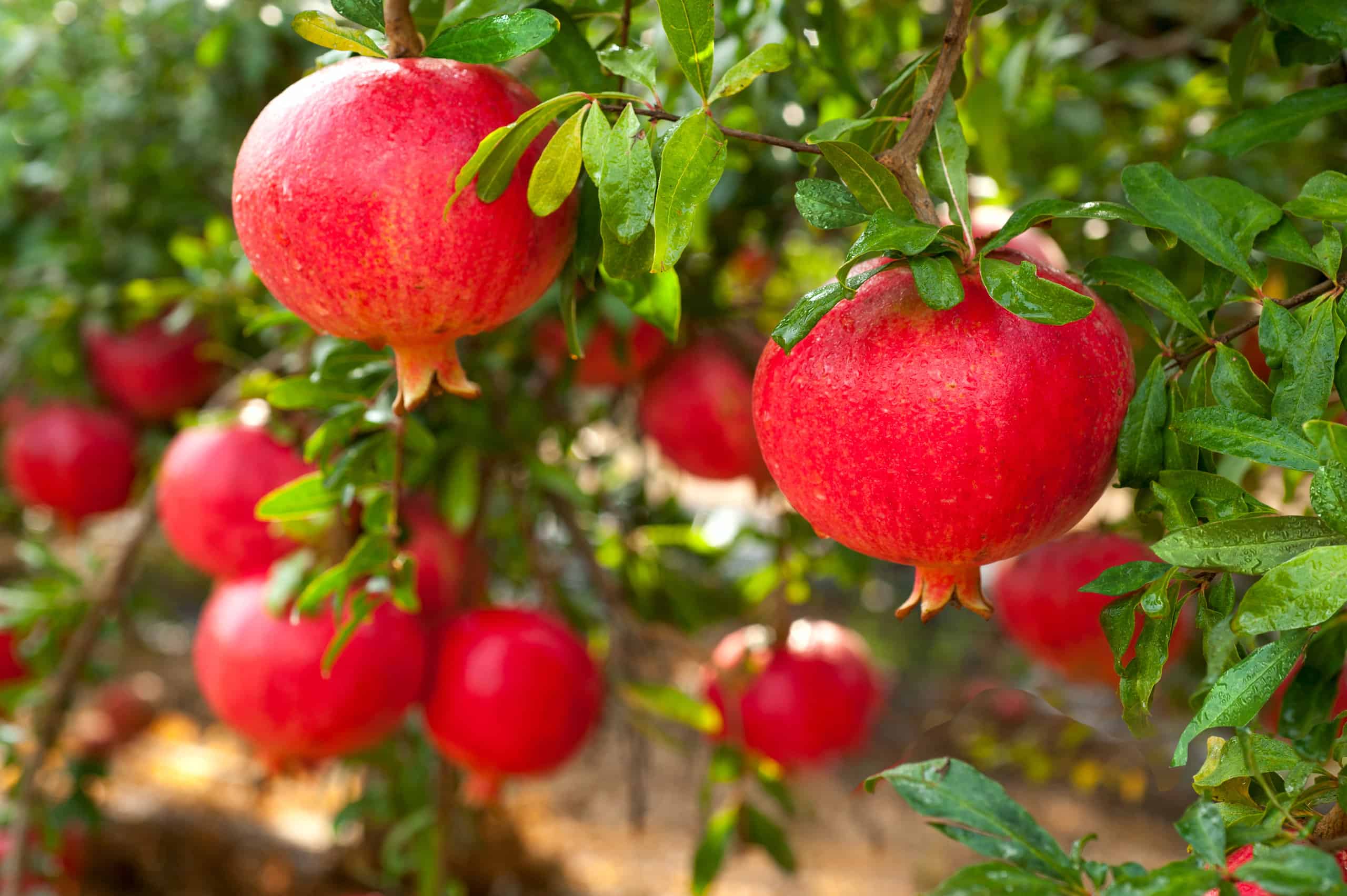
- Melons: Melons are a good companion plant for pomegranates because they have similar growing requirements. They both need full sun and well-drained soil. Melons can also help to shade the pomegranate roots, which can help to prevent them from drying out.
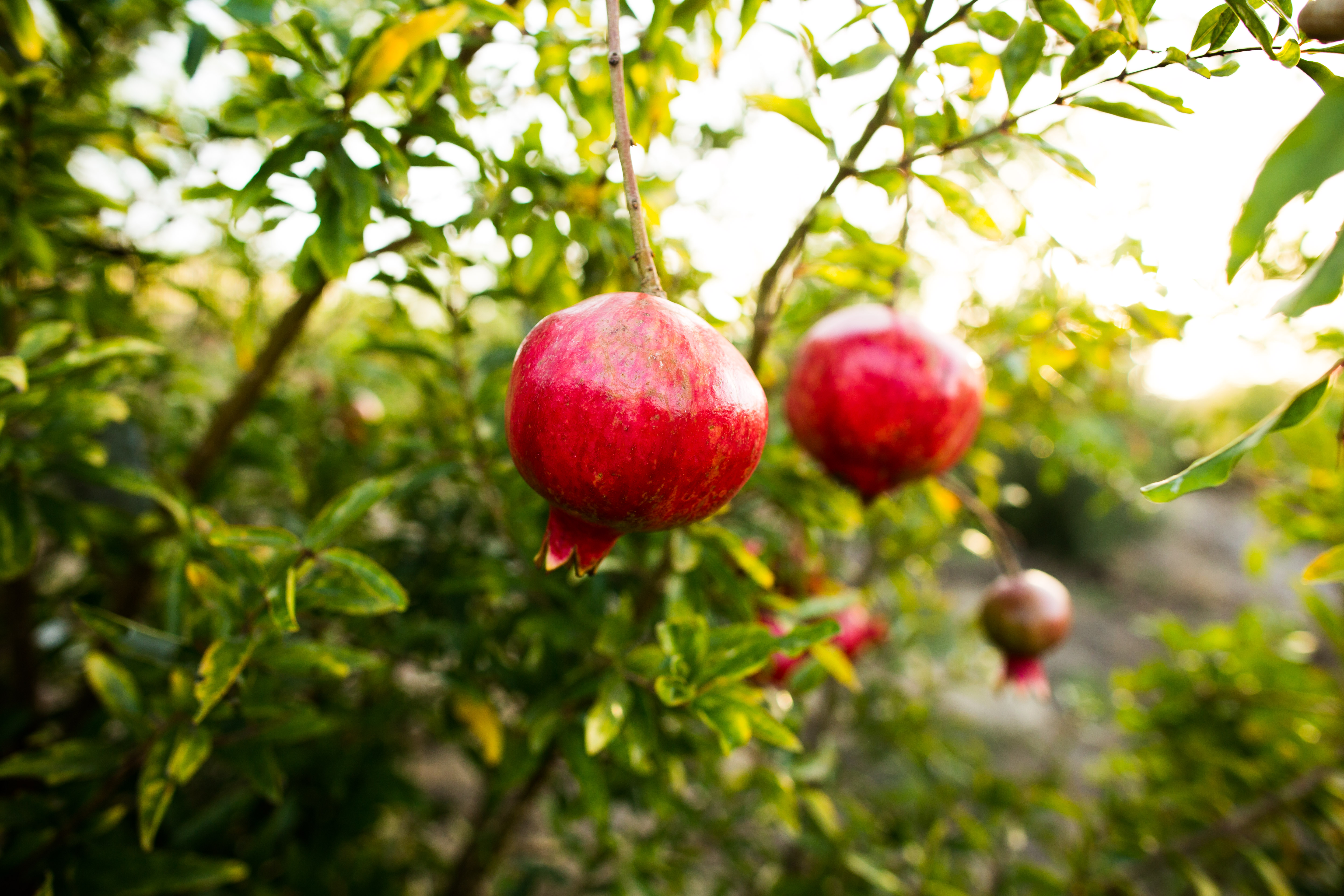
- Fennel: Fennel is a good companion plant for pomegranates because it helps to repel pests, such as carrot flies and root maggots. It also helps to improve the flavor of the pomegranate fruit.
- Dill: Dill is a good companion plant for pomegranates because it helps to attract pollinators, such as bees and butterflies. It also helps to improve the flavor of the pomegranate fruit.

Post a Comment for "The Ultimate Guide To Companion Planting With Pomegranates"