The Wee Bit Giddy Hydrangea: A Gorgeous Easytogrow Shrub That Will Put A Smile On Your Face
The Wee Bit Giddy Hydrangea: A Gorgeous Easy-to-Grow Shrub That Will Put a Smile on Your Face
If you're looking for a beautiful and easy-to-grow shrub that will add a touch of color to your garden, the Wee Bit Giddy hydrangea is a great choice. This compact shrub produces large, mophead blooms in shades of pink, red, or blue, depending on the pH of your soil. Wee Bit Giddy is also a rebloomer, so you'll enjoy its flowers all summer long.
Here are some of the things that make the Wee Bit Giddy hydrangea a great choice for gardeners:
- Compact size: Wee Bit Giddy grows to only 2 feet tall and wide, making it a good choice for small gardens or containers.
- Easy care: Wee Bit Giddy is a relatively low-maintenance plant. It prefers full sun to partial shade and moist, well-drained soil.
- Long-blooming: Wee Bit Giddy blooms from early summer to early fall, so you'll enjoy its flowers for months.
- Colorful blooms: The color of Wee Bit Giddy's blooms depends on the pH of your soil. In acidic soil, the blooms will be blue; in neutral soil, they will be pink; and in alkaline soil, they will be red.
Here are some tips for growing Wee Bit Giddy hydrangeas:
- Plant in full sun to partial shade.
- Water regularly, especially during the summer months.
- Fertilize in the spring with a balanced fertilizer.
- Prune in the late winter or early spring to remove dead or damaged branches.
With proper care, Wee Bit Giddy hydrangeas will thrive in your garden for many years.
Here are some additional insights and updates about Wee Bit Giddy hydrangeas:
- New color variations: In addition to the original pink, red, and blue varieties, there are now a number of new color variations of Wee Bit Giddy hydrangeas available. These include white, lavender, and even bicolor varieties.
- Increased hardiness: Wee Bit Giddy hydrangeas have been bred to be more hardy than older varieties. This means that they can now be grown in colder climates, even in USDA zones 5 and 6.
- Improved disease resistance: Wee Bit Giddy hydrangeas are also more resistant to diseases than older varieties. This means that you're less likely to have to worry about your plants getting sick.
If you're looking for a beautiful, easy-to-grow, and disease-resistant hydrangea, the Wee Bit Giddy is a great choice. With its compact size, long-blooming flowers, and colorful blooms, this shrub is sure to add a touch of beauty to your garden.
If you're looking for a beautiful and hardy hydrangea that will add a touch of whimsy to your garden, look no further than the Wee Bit Giddy hydrangea. This compact shrub features large, raspberry pink blooms that are sure to turn heads. And because it's a hardy plant that can tolerate a wide range of conditions, it's a great choice for gardeners in most parts of the country.
To learn more about the Wee Bit Giddy hydrangea, I recommend visiting . This website has a wealth of information on the plant, including its care requirements, planting instructions, and more. You can also find photos of the plant in bloom, so you can see for yourself how beautiful it is.
So what are you waiting for? Visit today and learn more about the Wee Bit Giddy hydrangea!
FAQ of hydrangea wee bit giddy
Q: What is hydrangea wee bit giddy?
A: Hydrangea wee bit giddy is a compact, deciduous shrub that is known for its large, showy flowers. The flowers are typically white or pink, but they can also be blue or purple depending on the acidity of the soil. Wee bit giddy hydrangeas are hardy in USDA zones 4-9 and can grow to be 3-4 feet tall and wide.
Q: How do I care for a wee bit giddy hydrangea?
A: Wee bit giddy hydrangeas are relatively easy to care for. They prefer full sun to partial shade and moist, well-drained soil. Water them regularly, especially during hot, dry weather. Fertilize them in spring with a balanced fertilizer. Deadhead spent flowers to encourage new blooms.
Q: What are the best pruning practices for wee bit giddy hydrangeas?
A: Wee bit giddy hydrangeas can be pruned in late winter or early spring. Prune away any dead, diseased, or damaged branches. You can also thin out the shrub by removing some of the oldest branches. If you want to encourage more blooms, you can prune back the flower heads after they have finished blooming.
Q: What are some common pests and diseases that affect wee bit giddy hydrangeas?
A: Wee bit giddy hydrangeas are susceptible to a few pests and diseases, including aphids, scale, and powdery mildew. Aphids can be controlled with insecticidal soap or neem oil. Scale can be controlled with horticultural oil. Powdery mildew can be prevented by watering the plant in the morning so that the leaves have a chance to dry before nightfall.
Q: What are some tips for deadheading wee bit giddy hydrangeas?
A: Deadheading wee bit giddy hydrangeas is important to encourage new blooms. To deadhead, simply pinch or cut off the spent flower heads. You can also remove the entire flower cluster if you prefer. Deadheading is best done in late spring or early summer.
Image of hydrangea wee bit giddy
Image 1: A close-up of a single Wee Bit Giddy hydrangea flower, showing its deep red-purple color and large, mophead shape.
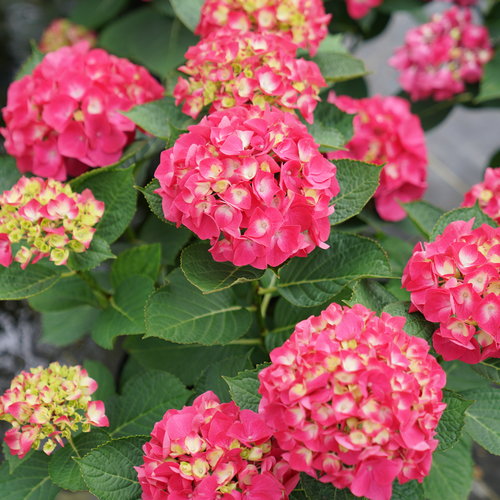
Image 2: A full plant of Wee Bit Giddy hydrangea, showing its compact size and lush, dark green foliage.
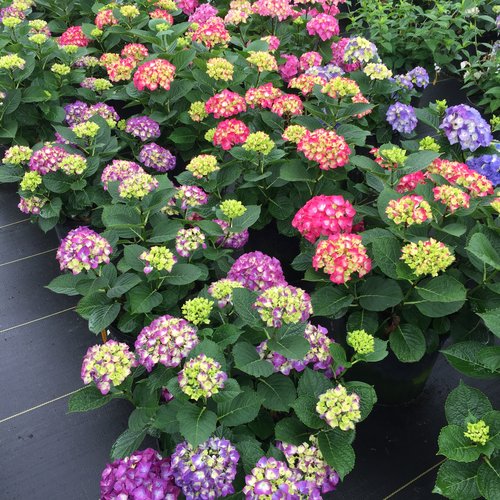
Image 3: A group of Wee Bit Giddy hydrangeas planted together, showing their vibrant red-purple color against a backdrop of green grass.
Image 4: A Wee Bit Giddy hydrangea in full bloom, showing its large, colorful flowers and cascading petals.
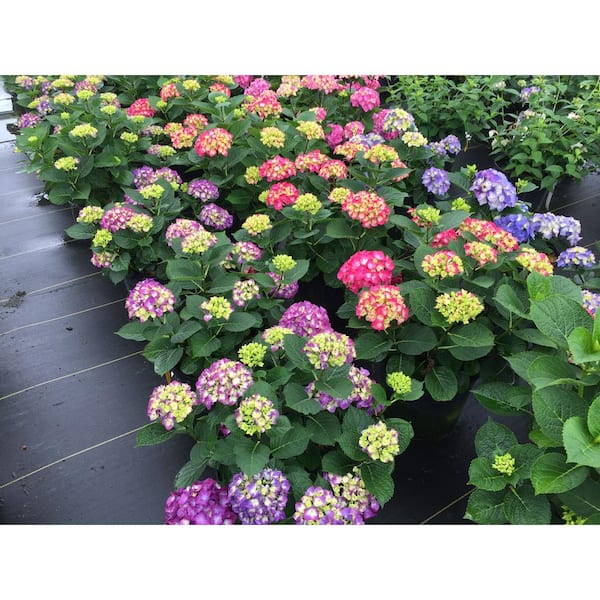
Image 5: A Wee Bit Giddy hydrangea in a pot, making a beautiful addition to a patio or deck.


Post a Comment for "The Wee Bit Giddy Hydrangea: A Gorgeous Easytogrow Shrub That Will Put A Smile On Your Face"